November 10, 2026
Organic from the woods: wild crops
certification process · records

Purl Ambrose
Writes Purl of Wisdom
Some organic food is gathered, not planted. Here is what the wild-crop rule asks of the place it grows and the way it is picked.
Not every organic crop is planted. Some are gathered rather than cultivated. The rules call these wild crops: any mushroom, plant, or part of a plant collected or harvested from a site that is not under cultivation or other agricultural management.
Wild crops have their own standard, and it has two parts.
First, the place. A wild crop sold as organic has to be harvested from a designated area. That area cannot have had any prohibited substance applied to it for the three years immediately before the harvest.
Second, the harvest itself. Gathering has to be done in a way that will not be destructive to the environment and will sustain the growth and production of the wild crop.
Wild-crop harvesting is one of the areas of operation the rules name, alongside crops, livestock, and handling. For a certified wild-crop operation, the organic system plan describes its practices, how often they happen, and how the operation monitors that the plan is working.
At inspection, the questions follow the two parts of the rule. Where exactly is the designated area? What has been applied there in the last three years? How is the harvest done so the crop keeps coming back?
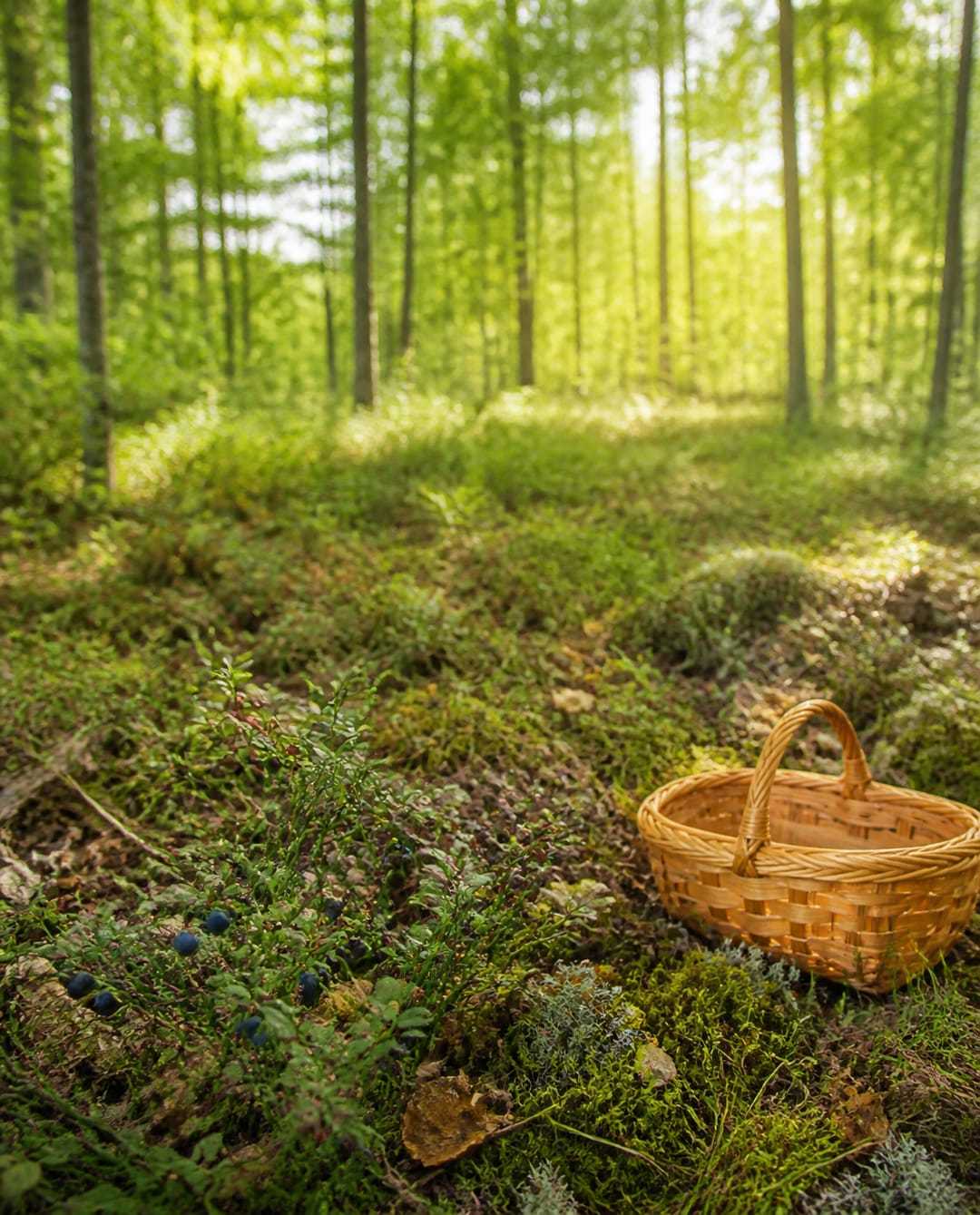
The basket is only the visible part. Behind it are a designated patch, its recent history, and a way of harvesting that leaves the crop growing.
— Purl